The Essential Pre-Purchase Checklist: Your Guide to a Safe Buy
A well-structured pre-purchase inspection is the single most effective way to avoid buying a lemon, and it's a ritual every car buyer in Latvia should master. This process is not about being overly suspicious; it's about being smart and methodical. It all starts before you even see the car in person, with a careful review of the seller's online listing and the initial communication. Ask for clear photos of the car from every angle, including the engine bay and the odometer reading, and don't hesitate to request a copy of the registration certificate upfront. This allows you to verify the owner's identity and the car's details immediately. A crucial part of this early stage is learning how to check car VIN Latvia and doing so without delay; you can run a preliminary VIN check even before you book a viewing, and if the car is flagged for major issues, you've saved yourself a trip.
When you decide to see the car in person, the first part of the physical inspection should focus on the car's exterior and structure. Start by walking around the car slowly, looking down the sides from a low angle to spot any waves or uneven reflections in the paint. These are clear signs of bodywork repairs. Check all the gaps between the doors, hood, and trunk; they should be uniform. If one gap is noticeably wider, it indicates the panel has been removed or replaced. Carefully inspect the underside of the car for rust, which is a common enemy in the Baltic climate. Pay special attention to the suspension components, the exhaust system, and the wheel arches. Remember, a visual inspection is your first line of defense, and any signs of major rust or poor repair work should immediately lower your confidence in the car's history.
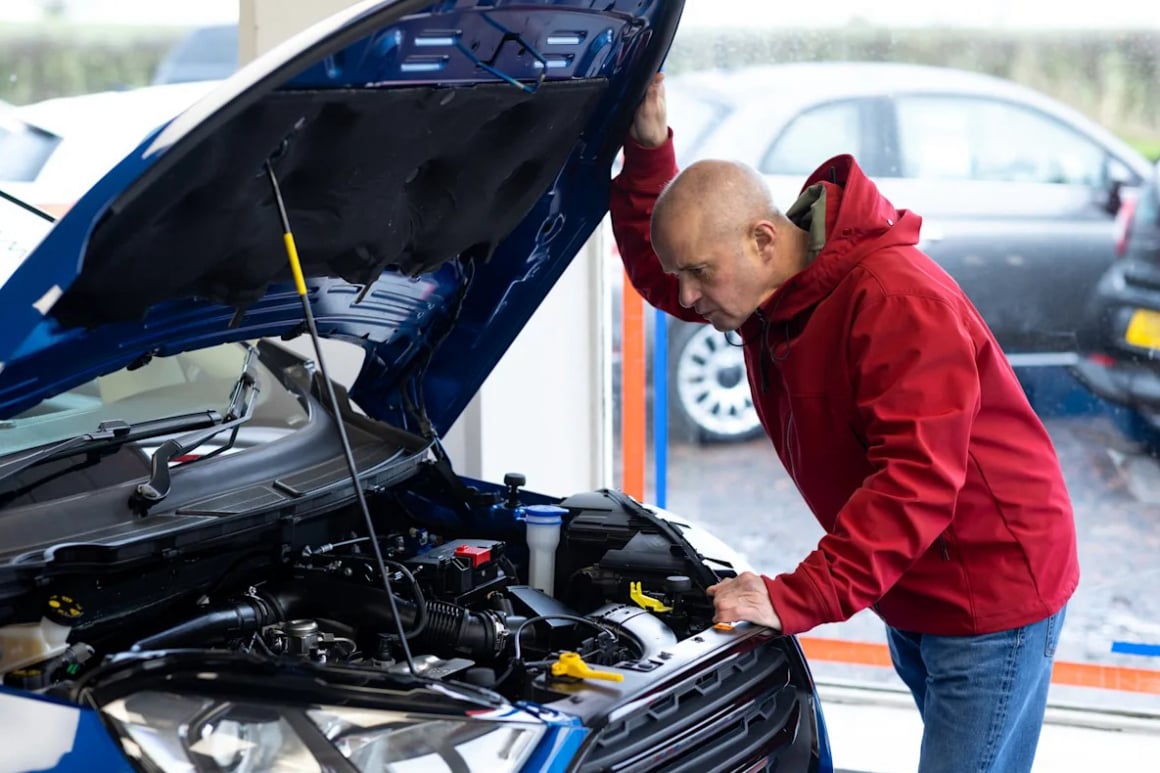
Next, move inside the cabin and under the hood. Inside, check for worn pedals, a loose steering wheel, or a sagging driver's seat—all indicators of high mileage that might contradict the odometer. Test every button and switch: air conditioning, windows, locks, lights, and the radio. Under the hood, look for any signs of fluid leaks, cracked hoses, or a dirty air filter. The engine should be cold when you arrive, so you can check the oil level and quality, and start it to listen for any rattling or knocking sounds. A healthy engine starts immediately and idles smoothly. A professional used car inspection Latvia tips guide always suggests sniffing for unusual smells—a sweet smell indicates a coolant leak, while a burning oil smell points to other problems. All these details, when taken together, paint a picture of how well the car has been maintained.
The test drive is where theory meets reality, and you should never skip it. Drive the car on both smooth roads and rougher surfaces to test the suspension and handling. Pay close attention to the steering—does it pull to one side or feel loose? Listen for any clunks or squeaks when you go over bumps or make turns. While driving, check the brakes by performing a few gentle and then one firm stop; the car should stop in a straight line without any vibration through the pedal. Also, get the car up to speed on a highway to listen for wind noise and ensure the transmission shifts smoothly without jerks. This is also the time to check the cruise control and the performance of the engine under load. A thorough test drive mimics the conditions you will face daily and can reveal issues that a stationary inspection never will.
Beyond the car itself, the documentation you receive from the seller is just as critical. Always ask for the original service book and any invoices for recent repairs, as this confirms that the car has been cared for. The most important document is the registration certificate, on which you need to verify the owner's name and the technical data. An essential part of your checklist is to independently verify the information using a used car history check Latvia. The results from CarVertical or AutoDNA, combined with a CSDD car history report, should confirm the mileage and ownership history. Discrepancies between the seller's story and these reports are a huge red flag. If you find any major inconsistencies, it's best to simply walk away from the deal.
Finally, consider arranging a professional inspection from an independent mechanic who has no vested interest in the sale. They have the tools and experience to spot issues that you might miss, such as hidden frame damage or early-stage mechanical failures. This is one of the wisest investments you can make, especially for higher-priced cars. The mechanic can provide a detailed report that not only helps you decide whether to buy but also gives you leverage for price negotiation. By following this comprehensive checklist, which includes a digital used car history check Latvia, a meticulous physical inspection, a demanding test drive, and a professional opinion, you will be following the most trusted used car inspection Latvia tips. This approach transforms a risky purchase into a confident decision, ensuring that you buy a reliable car and not a problematic one.